

Digital Marketing
Performance Marketing — How to Scale Profitably in 2026
A complete guide to ecommerce performance marketing, covering Meta ads, Google ads, CRO, and strategies to scale D2C brands profitably.
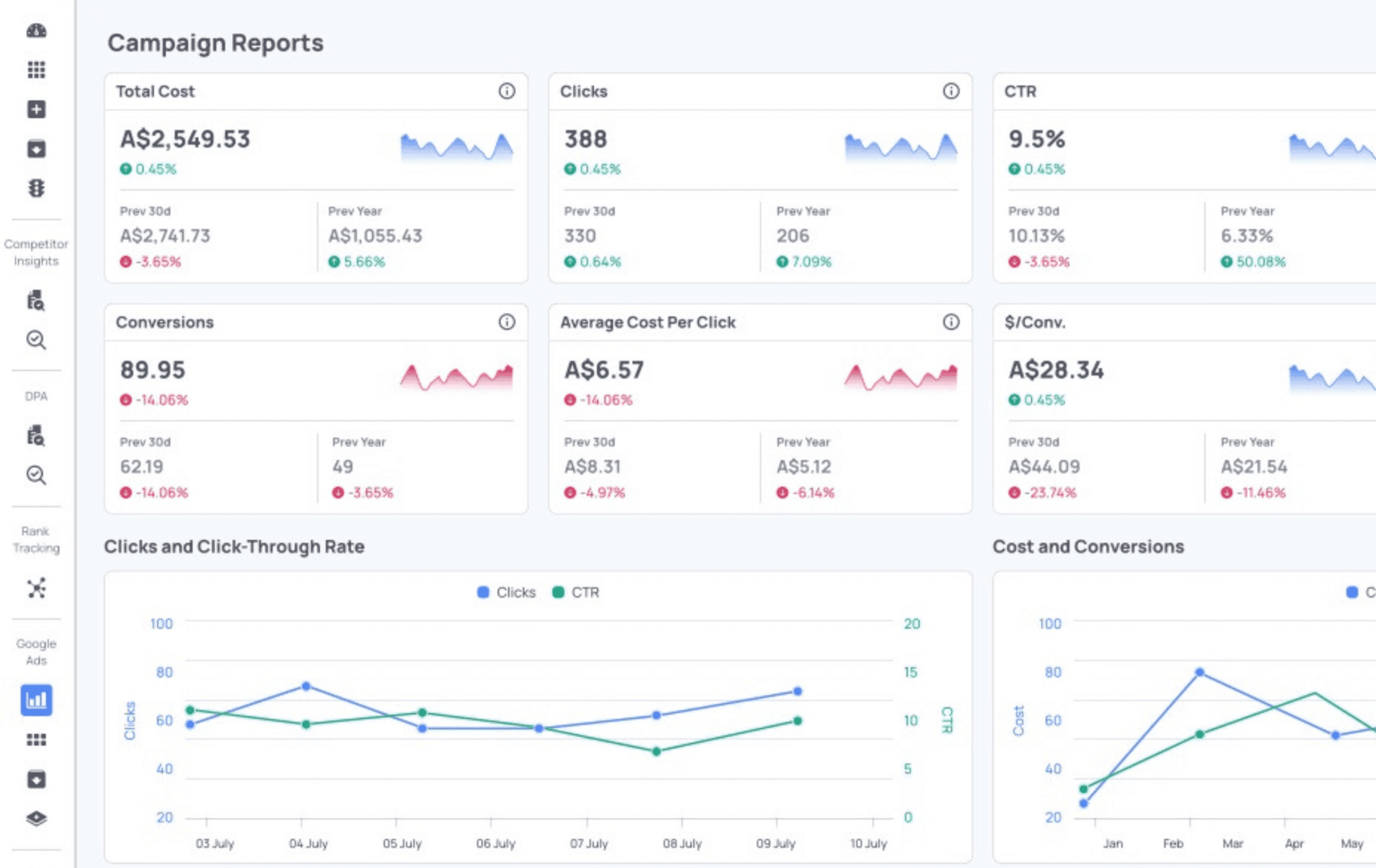
What is Performance Marketing
Ecommerce performance marketing refers to data-driven marketing strategies focused on generating measurable business outcomes such as sales, revenue, and return on ad spend (ROAS).
Unlike traditional marketing, where results are difficult to quantify, performance marketing is directly tied to metrics. Every campaign, budget decision, and creative is optimized based on performance data.
For ecommerce brands, this typically includes Meta ads, Google ads, and conversion-focused strategies supported by Shopify optimization and analytics.
Why Most Ecommerce Brands Fail With Ads
Most ecommerce brands are already investing in performance marketing. They run ads, generate traffic, and allocate budgets consistently.
However, results remain unstable.
Common challenges include:
Increasing customer acquisition costs (CAC)
Declining return on ad spend (ROAS)
Low website conversion rates
Inconsistent revenue growth
These issues are not caused by the platform itself.
They are caused by the absence of a structured ecommerce performance marketing system.
Running ads without a clear testing framework, creative strategy, and conversion optimization leads to inefficient spend.
The Core Components of Performance Marketing
To scale profitably, ecommerce performance marketing must be built on four key components:
Creative strategy
Campaign structure
Conversion rate optimization (CRO)
Data tracking and analytics
If any of these components are weak, performance declines.
Scaling becomes inconsistent and expensive.
Creative Strategy
Creative strategy is the most critical factor in ecommerce performance marketing.
Most brands underperform because they rely on limited creatives and do not test multiple messaging angles.
Common mistakes include:
Using generic product-focused ads
Not testing different hooks and formats
Ignoring problem-solution messaging
High-performing creatives typically include:
User-generated content (UGC)
Problem-solution storytelling
Clear product benefits
Strong hooks within the first few seconds
Consistent creative testing is essential for scaling performance marketing campaigns.
Campaign Structure
A well-structured campaign setup ensures efficient scaling and better budget utilization.
For Meta ads:
Use broad targeting supported by strong creatives
Avoid unnecessary segmentation
Scale campaigns based on performance data
For Google ads:
Focus on high-intent search campaigns
Use Google Shopping for product visibility
Implement retargeting strategies
Campaign structure plays a critical role in determining scalability.
Conversion Rate Optimization (CRO)
Driving traffic without optimizing conversion leads to wasted ad spend.
Many ecommerce websites struggle with:
Weak product page structure
Unclear value propositions
Poor mobile experience
Complex checkout processes
Conversion rate optimization (CRO) focuses on improving these elements to increase the percentage of visitors who convert into customers.
Even small improvements in conversion rate can significantly increase revenue without increasing traffic.
Data and Tracking
Performance marketing decisions must be based on accurate data.
Key metrics include:
Customer acquisition cost (CAC)
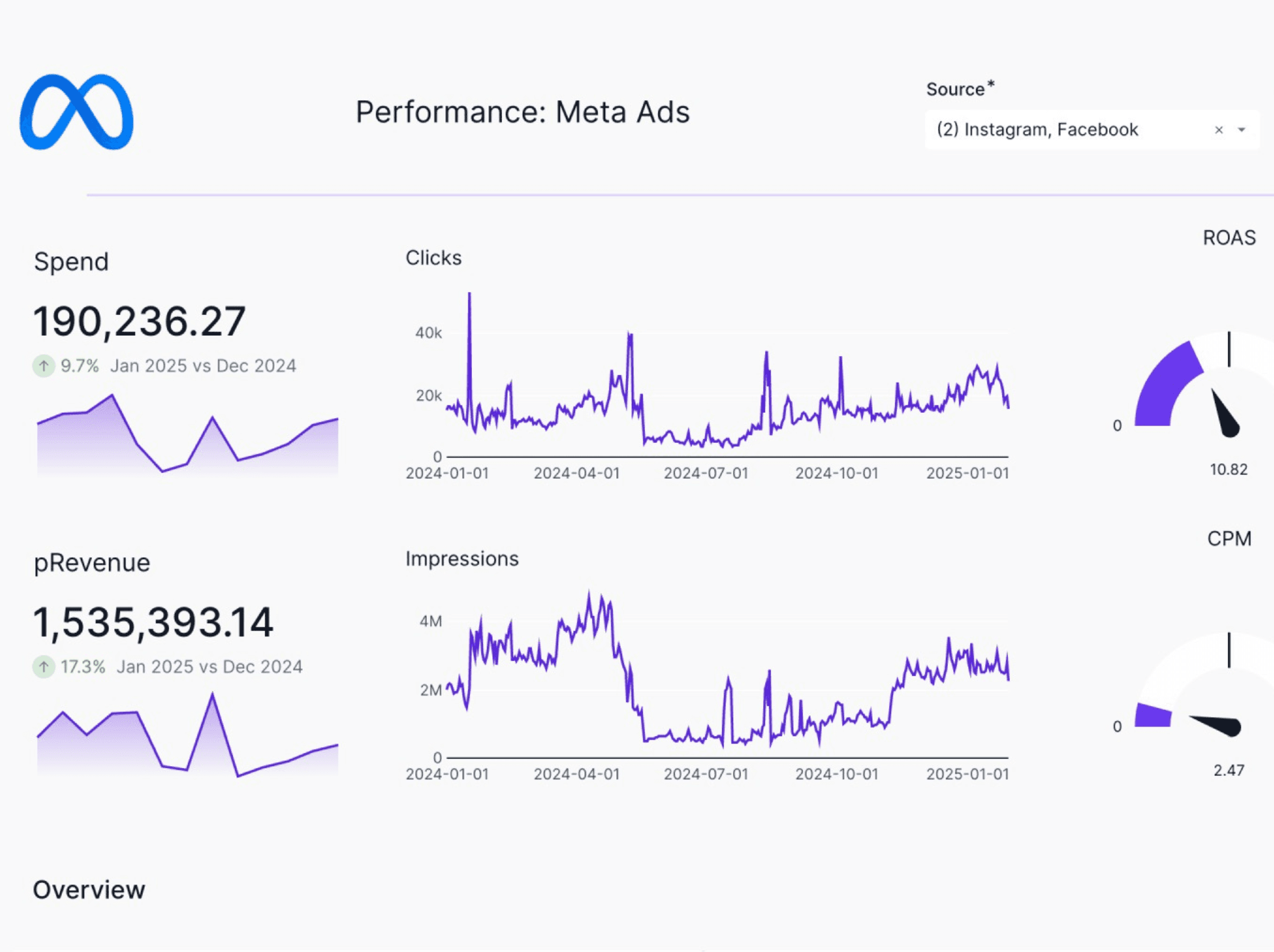
Return on ad spend (ROAS)
Conversion rate
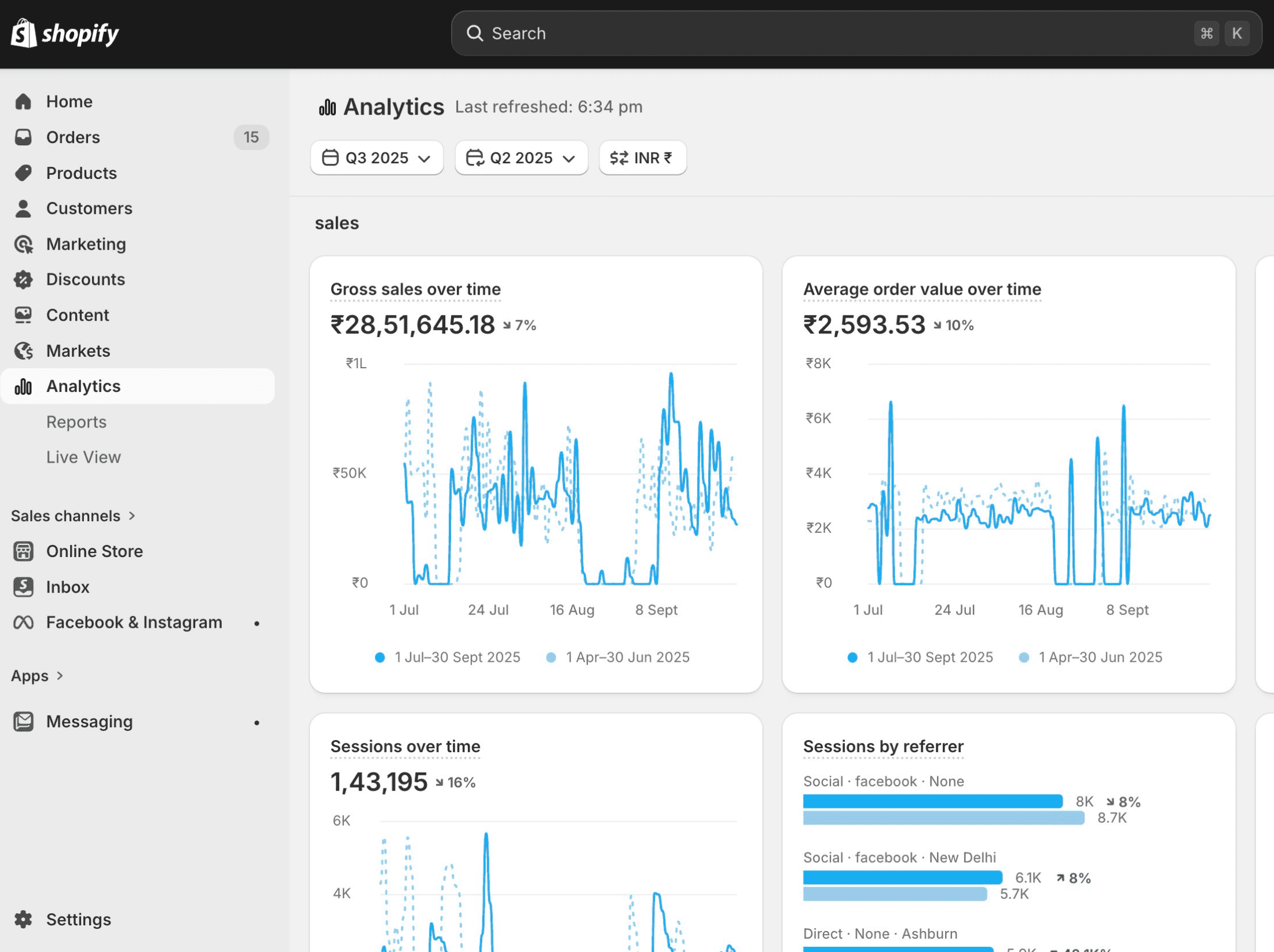
Average order value (AOV)
Without proper tracking, scaling becomes guesswork rather than strategy.
Scaling Profitably
Scaling ecommerce performance marketing requires a structured and controlled approach.
Key principles include:
Continuously testing and optimizing
Scaling only proven creatives and campaigns
Improving backend metrics such as AOV and retention
Increasing budgets gradually based on performance
Profitable scaling is achieved through consistency and data-driven decision-making, not aggressive spending.
Common Mistakes
Many ecommerce brands fail to scale due to avoidable mistakes:
Ignoring creative strategy
No retention or lifecycle marketing system
Focusing only on revenue instead of profitability
Increasing ad spend without improving conversion rate
Running campaigns without structured testing
Avoiding these mistakes is essential for sustainable growth.
Performance Marketing is a System
Performance marketing is not limited to running ads.
It is a system that connects:
Traffic acquisition
Website conversion
Customer retention
Without this system, results remain inconsistent regardless of budget.
Final Thought
Most ecommerce brands do not struggle because of a lack of effort or budget.
They struggle because performance marketing is treated as isolated campaigns instead of a structured growth system.
In real ecommerce scaling scenarios, brands often increase ad spend without improving creative strategy, conversion rate optimization (CRO), or retention systems. As a result, customer acquisition costs increase while profitability declines.
Sustainable ecommerce growth requires alignment between performance marketing, Shopify optimization, conversion rate optimization, and retention systems.
Brands that build this system scale with consistency, brands that do not remain dependent on unstable ad performance.
Nexus Ecom AI Approach
Nexus Ecom AI builds performance marketing systems designed to improve efficiency and scalability. This includes structured campaign frameworks, creative strategy, and conversion-focused execution aligned with Shopify and backend optimization.
The goal is not just to run ads, but to create a system that delivers predictable results.
Similar Blogs










Scale Ecommerce Faster
We share simple strategies for Shopify, ads, and CRO to help you grow your ecommerce brand faster.

Shopify 10X Growth
Meta and Google Ads
Conversion Optimization

No spam, just genuine updates!